Secure Your Dream Home with Confidence
Expert mortgage guidance to help you qualify, compare loan options, and navigate the entire home-buying journey smoothly. Licensed loan officer with 4.9★ satisfaction from hundreds of homeowners.


Introduction to Personal Finance
Managing money effectively is one of the most important skills in modern life. Personal finance is not just about saving, but about understanding how to earn, spend, and invest wisely. Many people live on financial autopilot without a clear plan, which can lead to long-term difficulties. Building healthy financial habits early helps create stability and security. This guide will help you take the first steps, showing how small daily decisions can generate significant results over time.
The Importance of Saving Money
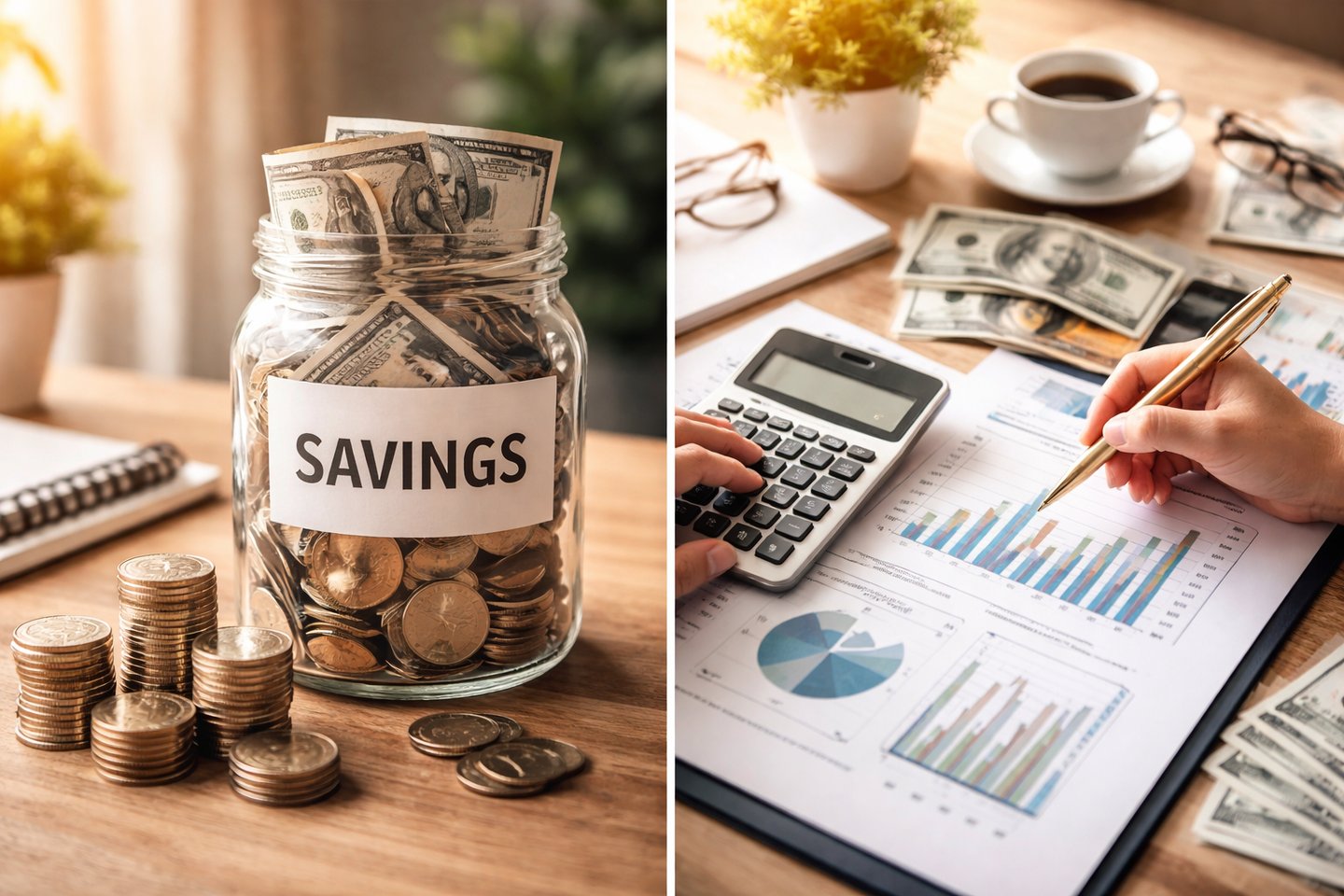
Saving money is not just about keeping what’s left over, but about creating a conscious strategy. Having a financial cushion provides peace of mind in unexpected situations, such as medical expenses or loss of income. In addition, savings allow you to invest in the future, whether buying a home, traveling, or achieving financial independence. The key is consistency: small amounts saved regularly can grow significantly. Building the habit of saving is one of the fundamental pillars of a balanced financial life.
How to Create a Monthly Budget
A monthly budget is the foundation of any solid financial strategy. It allows you to clearly see how much money comes in and goes out, helping to avoid unnecessary expenses. The first step is listing all sources of income, then categorizing expenses. Dividing them into needs and wants helps identify where costs can be reduced. A good budget should not be restrictive, but realistic and sustainable. When applied properly, it becomes a powerful tool for achieving financial goals.
Difference Between Needs and Wants
Understanding the difference between needs and wants is essential for controlling spending. Needs are essential expenses like food, housing, and transportation. Wants are things that improve comfort but are not necessary. Many people confuse these concepts, leading to overspending. Developing financial awareness makes it easier to make smart decisions. This balance allows you to live well without compromising your financial future.
How to Reduce Daily Expenses
Reducing expenses does not mean sacrificing quality of life, but optimizing spending. Small changes, such as avoiding impulse purchases or comparing prices, can make a big difference. Reviewing recurring expenses can also reveal saving opportunities. Building conscious habits helps maintain financial control without extreme sacrifices. With discipline, it is possible to reduce costs and increase savings capacity.

First-Time
Emergency Fund
An emergency fund is essential for dealing with unexpected situations. Ideally, it should cover three to six months of expenses. This fund prevents reliance on credit during difficult times, protecting financial stability. Building it may take time, but it should be a priority. Starting with small amounts already makes a difference. The security it provides is worth the effort.
$285K
Loan Amount
3.25%
Interest Rate
32 Days
Time to Close


The Importance of Saving Money
Saving money is not just about keeping what’s left over, but about creating a conscious strategy. Having a financial cushion provides peace of mind in unexpected situations, such as medical expenses or loss of income. In addition, savings allow you to invest in the future, whether buying a home, traveling, or achieving financial independence. The key is consistency: small amounts saved regularly can grow significantly. Building the habit of saving is one of the fundamental pillars of a balanced financial life.
How to Create a Monthly Budget
A monthly budget is the foundation of any solid financial strategy. It allows you to clearly see how much money comes in and goes out, helping to avoid unnecessary expenses. The first step is listing all sources of income, then categorizing expenses. Dividing them into needs and wants helps identify where costs can be reduced. A good budget should not be restrictive, but realistic and sustainable. When applied properly, it becomes a powerful tool for achieving financial goals.


How to Increase Income
Increasing income is one of the most effective ways to improve your financial situation. This can be done through a new job, freelancing, or creating an online business. Diversifying income sources reduces risk and increases opportunities. Investing in skills also helps professional growth.


Introduction to Investing
Investing is essential for growing your money. Keeping money idle loses value over time due to inflation. There are several options, from stocks to investment funds. The key is to start with knowledge and strategy. Starting early makes a huge difference in the long term.

Types of Investments
There are different types of investments, each with varying levels of risk and return. Stocks offer higher growth potential but also greater volatility. Investment funds allow diversification with less effort. Savings accounts or deposits are safer but provide lower returns. Understanding these options helps you choose the best path according to your goals. The key is finding a balance between risk and security.
Diversification
Not putting all your money into one investment reduces risk.
Retirement Planning
Preparing for the future ensures security. Starting early is essential.
How do I know which loan is right for me?
After our initial consultation where I learn about your financial situation, goals, and timeline, I'll present you with 2-3 loan options that best fit your needs. We'll compare rates, terms, monthly payments, and long-term costs so you can make an informed decision with confidence.
Let's Take Your Home Financing Further
Whether you're buying your first home or refinancing, I'm here to help you move forward confidently.


© 2025 Consulting — Licensed. All rights reserved.